
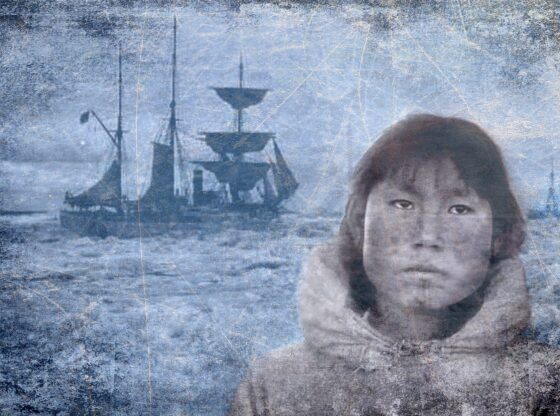

The Chin Tattoo That Bridged the Abyss of Time
In the quiet corridors of archival research, a profound spiritual reconnection occurred when Nyché Andrew recognized her own lineage in the photograph of Tummassak, an Alaska Native student who perished at the Carlisle Indian Industrial School. The link was not found in dusty ledgers, but in the tavluġun, a traditional chin tattoo marking a young woman’s transition to maturity. This visual marker transcended the erasure attempted by colonial institutions, asserting the enduring presence of Indigenous identity.
Andrew’s realization that Tummassak was her great-great-grandmother transforms historical data into sacred kinship. As she noted, “Tummassak was a very special find,” acknowledging the unexpected nature of this familial discovery amidst the labyrinth of frustrations inherent in such research. This moment illustrates how cultural symbols serve as anchors for memory and belonging, even across generations separated by tragedy. The shared gaze away from the camera in both photographs suggests a resilience that refuses to be fully captured or defined by the oppressor’s lens. In honoring Tummassak, we honor the unbroken chain of women who carry their heritage forward, turning grief into a testament of survival and love.