

Sacred Waters Protected: A Landmark Decision for the Boundary Waters
In a move that resonates far beyond political borders, Minnesota Governor Tim Walz has signed an executive order that permanently shields the Boundary Waters Canoe Area Wilderness from nonferrous mining. This act, described as one of the most significant conservation efforts in generations, is not merely a political victory—it is a profound spiritual acknowledgment of the sacredness of the natural world.
The Boundary Waters, with its pristine lakes so pure that travelers drink directly from them, has long been a place of pilgrimage for those seeking connection with the divine through nature. For five decades, the tension between industrial extraction and ecological preservation has been a moral struggle, pitting the greed of resource exploitation against the Indigenous understanding that water is life itself.
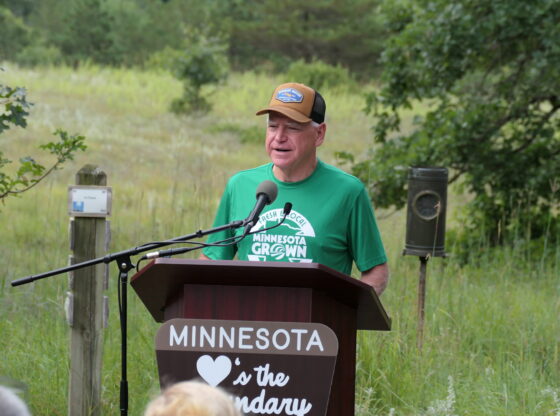
Governor Walz declared, “The verdict is in. The decision’s been made. We will protect this place forever.” These words echo the timeless wisdom of Native American tribes who have fought alongside environmentalists to safeguard this wilderness. Their resistance is rooted in a worldview that sees the earth not as a commodity but as a relative deserving of reverence and protection.
This executive order serves as a capstone to an environmental agenda that includes mandating 100% carbon-free electricity by 2040 and banning toxic forever chemicals. Yet, the deeper meaning here transcends policy. It is a testament to the growing recognition that humanity’s spiritual health is inseparable from the health of the land. The protection of these waters is a prayer answered—a commitment to future generations that some places must remain untouched, wild, and holy.