
Embracing the Void: The Heart Sutra’s Lesson on Impermanence
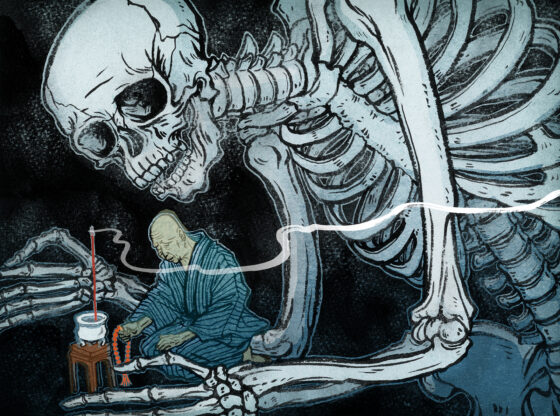
In her seminal work Reading the Heart Sutra, poet Hiromi Ito offers a profound meditation on the Buddhist concept of emptiness, not as an abstract theory, but as a lived reality of aging and care. Ito observes her father’s state with striking clarity: “Dad is alive, but maybe he’s dead.” This poignant admission highlights the liminal space between existence and cessation, a core teaching of the Prajnaparamita literature. Rather than viewing this transition as a loss, Ito frames it through the lens of aspiration, urging readers to find urgency in the present moment.
The text challenges the conventional separation of life and death, suggesting that our attachment to a fixed identity is the source of suffering. By navigating her parents’ declining health, Ito demonstrates how the Heart Sutra’s wisdom can transform grief into spiritual practice. Her work invites us to confront the “grim reaper” not with fear, but with the clarity of seeing things as they are. In this context, the vow to awaken becomes a daily commitment to presence, reminding us that true liberation lies in accepting the transient nature of all phenomena.