

Augustine’s Palace: How Collective Trauma Shapes the Soul’s Memory
In Book X of *The Confessions*, St. Augustine describes memory not merely as a repository, but as a “vast interior palace” where the self is constituted. It is through this faculty that humanity searches for both God and identity. For Augustine, one’s essence is bound to the narrative the soul remembers, a concept that resonates profoundly in the aftermath of collective trauma.
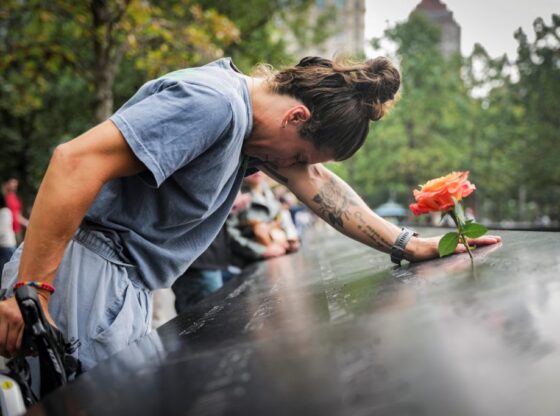
As the 25th anniversary of the September 11 attacks approaches, this theological insight offers a framework for understanding the spiritual weight of that day. For many, the event served as a definitive rupture, shattering innocence and hardwiring a generation for constant vigilance. The act of remembering is no longer passive; it is a spiritual discipline. As one observer notes, the anniversary triggers a subconscious response to the admonition to “Never Forget,” suggesting that memory has become a site of ongoing spiritual formation.
This phenomenon illustrates how historical events can alter the interior landscape of the faithful. By engaging with this shared memory, individuals do not merely recall facts; they navigate the “profound, infinite complexity” of their own souls, seeking meaning within the vast storehouse of their collective experience.