
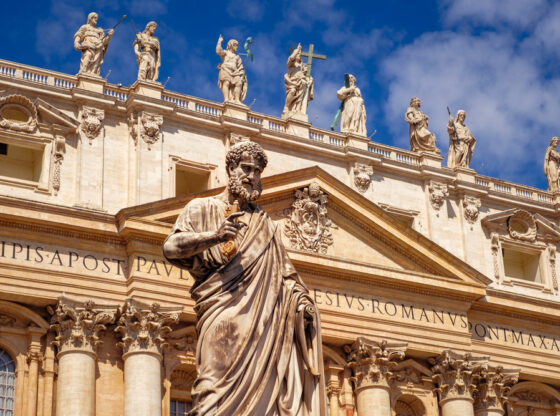

When Law Becomes a Path to Holiness: The Spiritual Roots of Canon Law
In an age that often pits legalism against faith, the recent prominence of canon law under Pope Leo XIV invites a deeper contemplation. Far from being a mere administrative tool, this ancient system—the oldest continuously functioning legal framework in the West—serves a purpose that transcends bureaucratic order. Its ultimate aim, as codified in 1983, is nothing less than the salvation of souls.
For the seeker, canon law offers a unique lens on the spiritual life. The word “canon” derives from the Greek *kanōn*, meaning “measure” or “rule.” It is not designed to entrap but to guide, much like a spiritual yardstick. It governs the sacred bonds of marriage, the worthiness to receive sacraments, and the stewardship of Church property, ensuring that justice—not punishment—is the foundation of the ecclesial community. When the pontiff, a trained canonist, applies these laws to matters like the SSPX consecrations or the Rupnik trial, he is engaging in a pastoral act of healing, seeking to restore right relationship between the faithful and the divine.
In this light, the law becomes a form of asceticism: a discipline that protects the soul’s journey toward God, reminding us that even our earthly structures can be vessels for transcendent grace.