
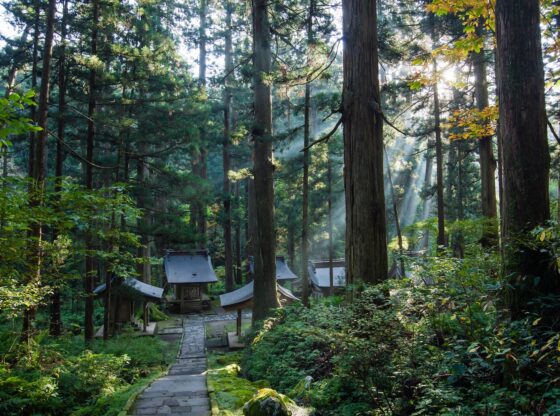

Walking as Meditation: Basho’s Haibun and the Art of Pilgrimage
In an age of instant connection, the slow, deliberate journey of the 17th-century Japanese poet Matsuo Basho offers a profound counterpoint. His masterwork, The Narrow Road to Oku, is not merely a travelogue but a spiritual document, a record of walking as a form of meditation. Basho’s five-month trek through northern Japan with his disciple Sora was a pilgrimage into the unknown, both of the landscape and of the self.
The genius of the work lies in its form, known as haibun—a fusion of prose and haikai poetry. For Basho, the poems were not decorative additions but the crystallized essence of a moment, the spiritual fruit of the journey. The prose provides the context, the bare bones of the experience, while the poem captures its fleeting, ineffable heart. This is a practice of radical attention, a way of seeing the sacred in the ordinary. Basho’s years of refining the text after his return reveal that the true pilgrimage was inward, a continuous distillation of experience into wisdom, reminding us that the path itself is the destination.