
The Sacred Duty of Reciprocity: What Philanthropy Can Learn from Lakota Generosity
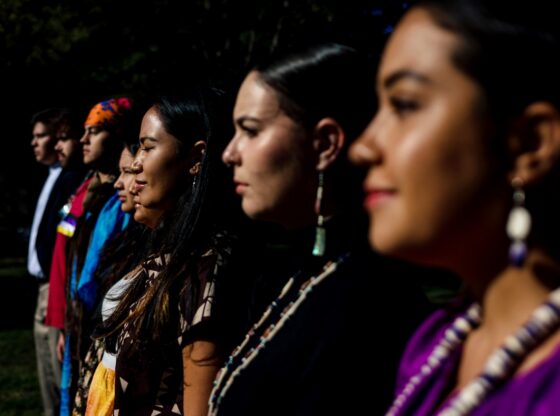
In the Lakota tradition, generosity is not charity but a sacred obligation woven into the fabric of existence. When Deanna Mousseau of the Oglala Lakota Nation speaks of her work with Native Americans in Philanthropy’s Youth Grantmakers program, she articulates a truth that transcends fundraising mechanics: “It’s all about establishing good relationships with others through respect and through honesty.” Her words illuminate a fundamental disconnect between Western philanthropy and Indigenous worldviews.
The recent Brookings Institution report detailing chronic underinvestment in Native communities reveals more than a statistical failure; it exposes a spiritual poverty within the giving sector itself. For Indigenous peoples, wealth has never been an end but a conduit for maintaining balance within the web of life. When resources flow only one way, without relationship, without ceremony, the sacred circle is broken.
Mousseau’s journey from a 22-year-old seeking tools to a leader teaching others demonstrates that true philanthropy begins with listening. The report’s findings challenge funders to move beyond transactional giving toward a model of kinship where respect, honesty, and mutual accountability—the very values Mousseau cites—become the foundation of every grant. Only then can philanthropy honor the trust that Indigenous communities have maintained with the land and each other since time immemorial.