
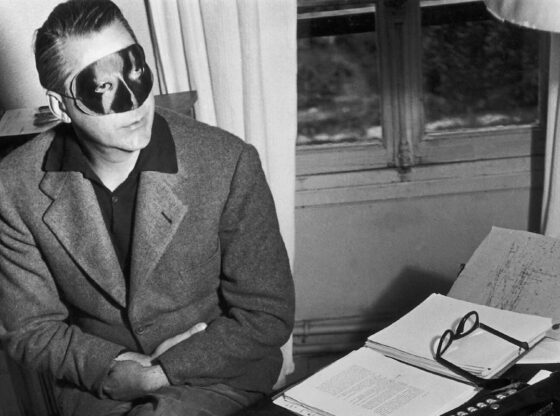

In the smoldering wreckage of World War II, an unlikely witness emerged with a message that transcends politics and pierces the soul. Curzio Malaparte—former fascist, war correspondent, and spiritual paradox—documented something extraordinary in his 1944 masterpiece Kaputt: not merely the horrors of a broken Europe, but the stubborn persistence of human goodness where no reasonable person would expect to find it.
Malaparte’s journey from Mussolini’s inner circle to prison cell to battlefield observer mirrors a deeper spiritual arc. The man who called himself “the bad side” discovered that even in the abyss, grace does not abandon us. His most moving portrait comes from August 1943, when, freshly released from Rome’s Regina Coeli prison, he joined refugees fleeing toward Naples—people who were simultaneously “fleeing from Italy and running toward Italy.”
What makes Malaparte’s testimony spiritually significant is not his depiction of suffering—many have chronicled that—but his insistence that suffering need not descend into despair. In the crowded trains and desperate faces, he glimpsed something the powerful had tried to destroy: a common spiritual and cultural life that survives even when civilization crumbles. As Malaparte himself wrote, Europe was “broken, finished, gone to pieces, gone to ruin”—yet precisely there, in the ruin, he found the human soul still intact.
#SpiritualNews · #FaithAndCulture · #GlobalSpirituality