

Fragile Faith: Why Spiritual Vulnerability Outlasts Certainty
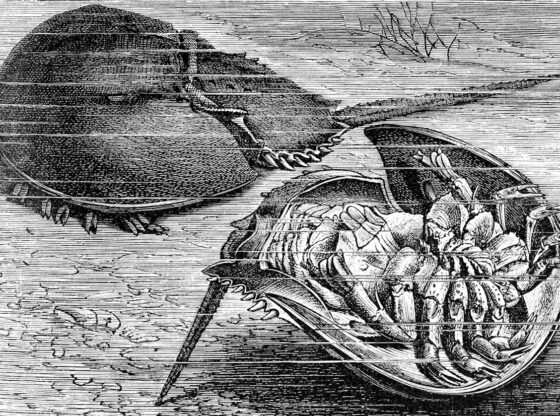
In the grand theater of spiritual evolution, we often mistake survival for sanctity. The impulse to build impenetrable theological fortresses—creeds hardened like exoskeletons, rituals calcified into routine—mirrors the biological strategy of the horseshoe crab: durable, efficient, and utterly static. Yet the living heart of Orthodox tradition pulses not in such armor, but in the exposed, trembling space where doubt meets devotion.
True spiritual vitality, like the panda’s precarious existence, flourishes not through mastery but through meaningful fragility. The saints understood this paradox: that holiness requires the vulnerability to be reshaped by divine encounter, not the safety of unchallenged formulas. When faith becomes mere survival—a clinging to familiar forms—it ceases to be transformative.
Free inquiry, then, is not a threat to orthodoxy but its lifeblood. As Jaroslav Pelikan observed, orthodoxy remains authentic only when it courageously invites examination, even of itself. The Church that fears questions has already chosen extinction over resurrection, mistaking preservation for the abundant life Christ promised.